
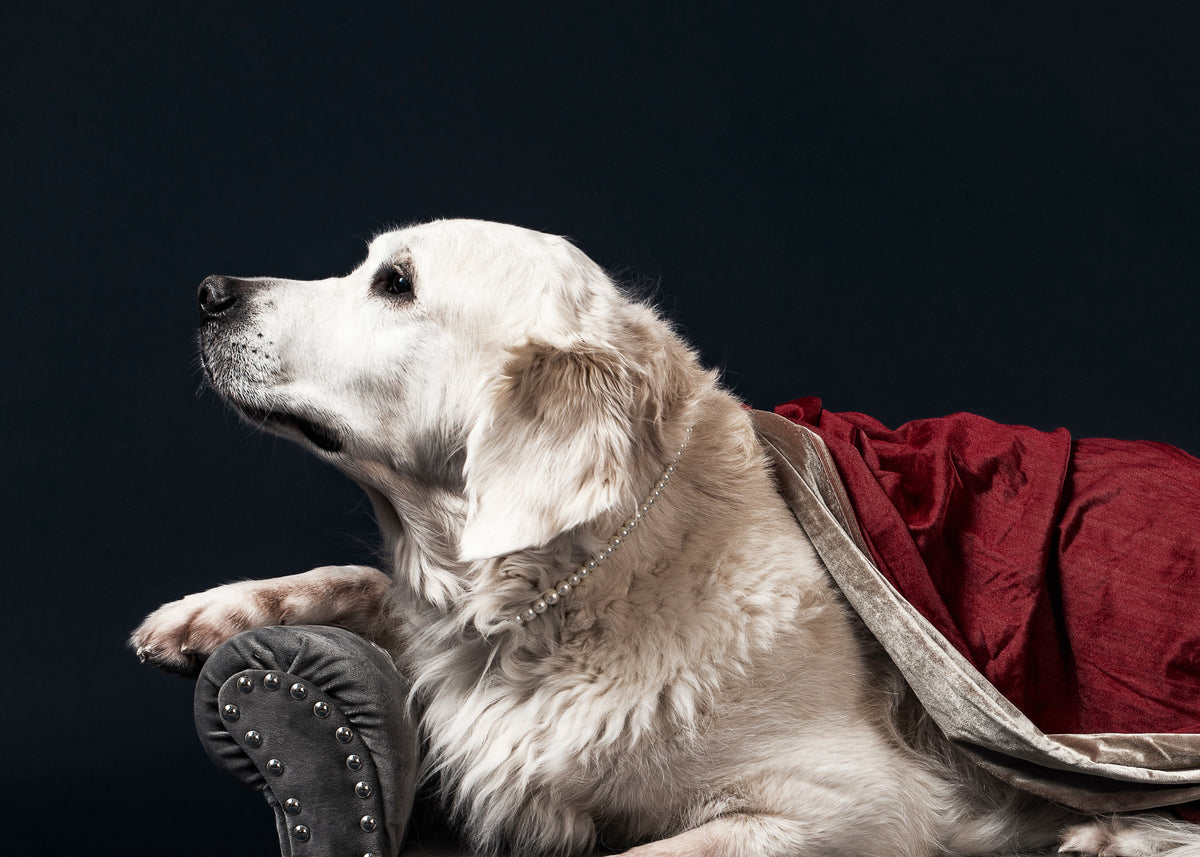
Short answer: no. Cooked turkey and ham bones are one of the most common holiday hazards for dogs. Every Thanksgiving and Christmas, veterinarians see dogs that got into the leftovers or the trash. Here is why these bones are risky, what to do if your dog swallows one, and better ways to let your dog join the celebration.
Why turkey bones are dangerous for dogs
Cooking makes bones dry and brittle. Turkey bones, like other poultry bones, are hollow and thin, so when a dog chews them they break into sharp splinters. Those pieces can:
- cut the mouth, tongue and throat,
- get stuck in the throat or windpipe and cause choking,
- lodge in the stomach or intestines and cause a blockage that may need surgery,
- puncture the digestive tract, which is a medical emergency.
Raw poultry bones are not a safe workaround either: they can still splinter and may carry bacteria such as Salmonella.
What about ham bones?
A ham bone looks big and sturdy, so many people assume it is fine. It is not. Ham bones are cooked or smoked, which makes them brittle too, and dogs can break off sharp chunks or swallow large pieces. The U.S. Food and Drug Administration warns that bones are unsafe for dogs no matter their size. Ham is also very salty and fatty, and rich, fatty table scraps can upset a dog's stomach and, in some dogs, trigger pancreatitis.
Signs your dog may have swallowed a bone
Watch your dog closely for the next few days if you think they ate a bone. Call your veterinarian right away if you notice:
- vomiting or gagging,
- not wanting to eat,
- lethargy or signs of pain,
- straining to poop, constipation or diarrhea,
- blood in the stool,
- a swollen or tender belly,
- pawing at the mouth or drooling.
Do not try to make your dog vomit unless your veterinarian tells you to: sharp bone pieces can cause more damage on the way back up.
How to keep your dog safe during holiday meals
- Keep platters and carving boards out of reach, and never leave food on the counter unattended.
- Take the turkey carcass and ham bone straight outside to a closed trash can.
- Ask guests, especially kids, not to share food from their plates.
- Give your dog their own chew while everyone eats, so they have something to do besides beg.
What to give your dog instead
If you want your dog to have a holiday treat, choose a chew made for dogs and sized for your dog. Popular natural options include:
- Bully sticks: single-ingredient beef chews that dogs can digest. Pick the thickness by your dog's size, from thin for small dogs to monster for power chewers.
- Himalayan yak chews: hard cheese chews that keep a dog busy for a long time.
- Beef gullet and cow ears: lighter chews for smaller or older dogs.
Whatever you choose, pick a chew that is too big to swallow whole, supervise your dog and take it away once it gets small. If your dog has health problems, ask your veterinarian which chews are right for them. A small amount of plain, boneless, skinless turkey meat with no seasoning is also fine for most dogs as an occasional treat.
Shopping for the dog on your list? See our holiday gifts for dogs, or read our guide to the best dog chew treats.
Frequently Asked Questions
Can dogs eat turkey bones?
No. Cooked turkey bones are brittle and can splinter into sharp pieces that injure the mouth, throat and digestive tract.
Can dogs eat ham bones?
No. Ham bones are cooked or smoked and can break into sharp chunks. Ham is also high in salt and fat, which can upset a dog's stomach.
My dog ate a turkey bone. What should I do?
Call your veterinarian right away, even if your dog seems fine, and watch for vomiting, lethargy, loss of appetite or blood in the stool. Do not make your dog vomit unless your vet tells you to.
Can dogs eat turkey meat?
Yes, in small amounts. Plain, cooked, boneless and skinless turkey without seasoning, gravy or stuffing is fine for most dogs as an occasional treat.
What can I give my dog instead of a bone?
A digestible chew made for dogs, such as a bully stick or a Himalayan yak chew, in a size bigger than your dog's mouth. Always supervise chewing.
Sources: U.S. Food and Drug Administration, No Bones (or Bone Treats) About It; American Kennel Club, Can Dogs Eat Turkey? This article is general information, not veterinary advice.


